14-Year Sentences: Supreme Court Weighs Palestine Action Ban
The court hears arguments that the government’s proscription of the group imposes severe penalties for membership, a move critics call a misuse of terrorism powers.
By Adriana Abebe ·
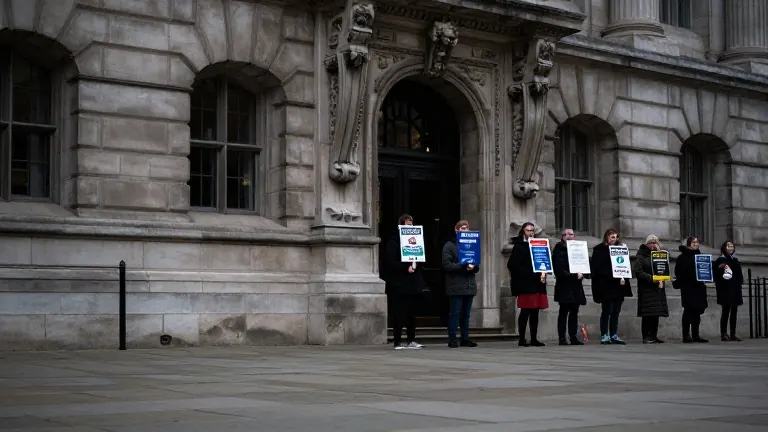
Fourteen years. That is the maximum prison term awaiting anyone convicted of belonging to or supporting Palestine Action if the government’s designation holds. The UK Supreme Court began a two-day hearing on November 4 to review that ban, a legal battle that pits the executive branch’s security powers against the civil liberties of a direct action group.
The group was proscribed in July of last year by the administration of former Prime Minister Keir Starmer. This decision placed Palestine Action on the same statutory list as armed organizations such as al-Qaeda and ISIL. The move has drawn sharp criticism from human rights bodies who argue that the legal consequences are too severe for a movement focused on direct action.
Huda Ammori, a cofounder of Palestine Action, outlined her legal strategy before the proceedings. She plans to argue that the ban disproportionately impacts fundamental rights, specifically freedom of speech and the right to protest. Her team will focus on how the proscription restricts these liberties in daily life.
The atmosphere outside the court building reflected the division in public opinion. Approximately 25 people were arrested during the demonstration, according to the Press Association. The crowd was split, with some holding signs in direct support of the group and others opposing the legal ban. One protester carried a placard reading, 'God help us Jews who support Palestine and Palestine Action.'
Another detainee held a sign that read, 'God help us who are not married to the UK’s national security adviser who support Palestine and Palestine action.' This slogan references journalist Sarah Helm, who is married to the Prime Minister’s national security adviser. Helm posted a similar line on X earlier but was not prosecuted for her comments.
Tom Southerden, the UK Law and Human Rights Director at Amnesty International, criticized the arrests. In a statement, he called the scene a grim sight, noting that musicians, politicians, and celebrities were detained for peacefully holding signs. He argued that the incidents show how vaguely the current terrorism laws are applied, especially when similar language used by others does not lead to charges.
The broader context of the government’s stance on pro-Palestine voices has come under scrutiny since the war in Gaza began more than three years ago. Last week, Swedish academic Andreas Malm was denied entry to the UK on the grounds that his presence was not conducive to the public good. Malm is a vocal critic of the assault on Gaza. Prime Minister Andy Burnham, who took office in July, previously stated that the Labour Party had gotten it wrong on Gaza, a comment now under renewed review following Malm's refusal of entry.
More Politics · World news · Report a business · Got a Story?