Diplomatic Push: Vance Targets Iran Hardliner for Nuclear Talks
The White House believes Mohsen Rezaei is the only figure in Tehran capable of securing a binding agreement to end the war.
By Marta Gray ·
The White House has identified Mohsen Rezaei, a former Islamic Revolutionary Guard Corps commander, as the primary Iranian contact for a potential peace agreement. According to a report by Washington Post columnist David Ignatius, senior US officials view Rezaei as the only figure capable of building sufficient internal support to limit Iran's nuclear program.
Vice President JD Vance sent a personal letter to Rezaei last week, offering to meet face-to-face. The correspondence, first detailed by the Wall Street Journal and expanded upon by Ignatius, outlines Washington's core demands. Vance stated that the United States requires Iran to forgo nuclear weapons and to send negotiators with the authority to reach binding deals. The letter also acknowledged Iran's need to rebuild its war-damaged economy and maintain national sovereignty.
US intelligence assessments indicate that Rezaei maintains regular contact with Supreme Leader Mojtaba Khamenei. The two reportedly spoke in recent days following the arrival of Vance's letter. Rezaei, who currently serves as secretary of Iran’s Supreme National Security Council, is believed to retain the trust of former subordinates within the Revolutionary Guards. He has strengthened his influence over the past year by appointing allies to key positions within the security council and maintaining close ties with economic officials.
The diplomatic effort follows a failed negotiation round in April. Vance traveled to Islamabad to meet with Iranian Parliament Speaker Mohammad Bagher Ghalibaf. The administration proposed lifting sanctions in exchange for a nuclear deal, a strategy officials termed the "golden bridge." Ghalibaf returned to Tehran without securing leadership approval, and a limited memorandum of understanding collapsed after renewed fire exchanges in the Strait of Hormuz. US intelligence now assesses that real power resides with Rezaei rather than the formal negotiators.
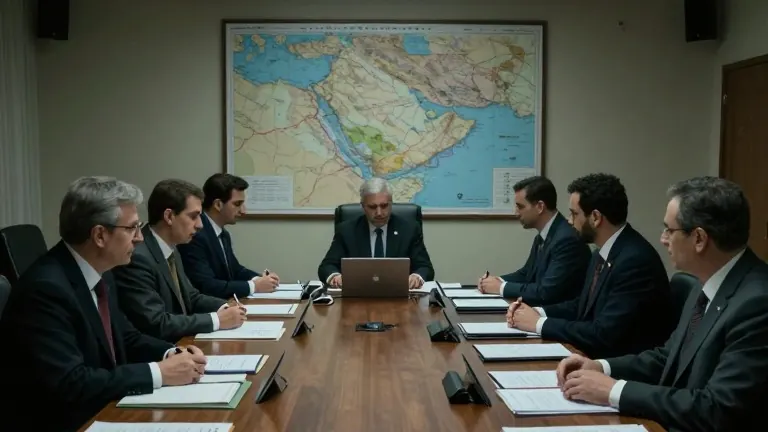
Military preparations continue alongside the diplomatic track. On Thursday, Adm. Brad Cooper, the chief of US Central Command, visited the White House to present options for further military action. Defense Secretary Pete Hegseth and Joint Chiefs Chairman Gen. Dan Caine attended the meeting. If a meeting is scheduled, Istanbul or Doha are the most likely venues. Qatar continues to mediate, with representatives maintaining regular contact with Rezaei and other senior Iranian officials.
Iran's leadership viewed the personal outreach as a respectful gesture, though no softening of positions on the nuclear issue has been observed. Ignatius noted that Rezaei built his career on opposition to the United States and Israel, making a deal a dramatic shift. The initiative arrives days before the November 3 congressional midterm elections, a period of heightened political sensitivity for the Trump administration regarding the war's economic costs.
Prime Minister Benjamin Netanyahu advocates for regime change in Iran to eliminate the threat permanently. Trump has stated he wants to "finish the job" in the region as additional US forces deploy. Despite the military buildup, Ignatius reported that White House officials fear time is running out to reach an agreement without resuming large-scale combat operations.