Food Rescue: New Funding Redistributes Surplus
Assemblymember Blanca Rubio secured money to help the FRESH SGV program connect businesses with nonprofits to prevent edible waste.
By Kofi Costa ·
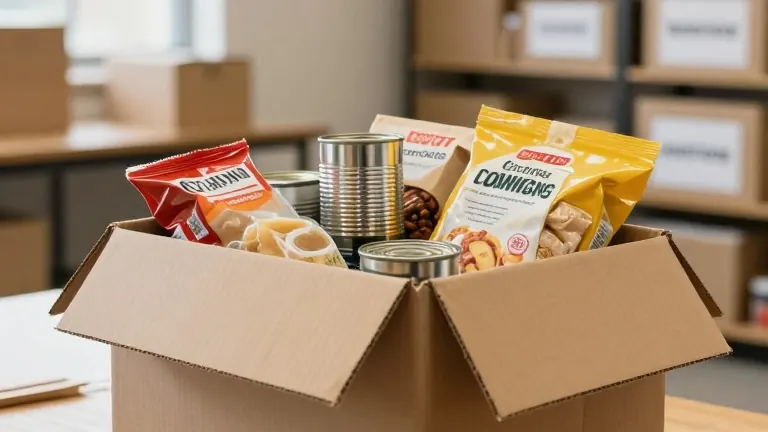
Residents in the San Gabriel Valley will see a more coordinated effort to move leftover food from grocery stores to community pantries. The financial backing for this work arrived this week, allowing local agencies to streamline the transfer of surplus inventory that would otherwise go to waste.
Assemblymember Blanca Rubio, a Democrat representing West Covina, secured the funds for the program. The initiative, known as FRESH SGV, operates by linking three distinct sectors. Local governments provide regulatory support. Businesses donate their excess edible goods. Nonprofit organizations handle the logistics of moving that food to families in need.
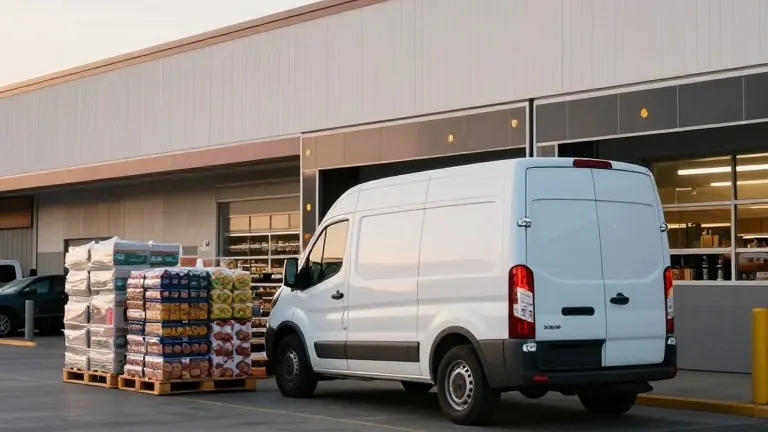
The mechanism relies on direct partnerships rather than a central warehouse. When a supermarket closes, it contacts the network. A partner nonprofit arranges transport. The food reaches a distribution point within hours. This model reduces the distance food travels and increases the volume of items saved from landfills.
Rubio’s office announced the funding as a tool for regional food security. The program targets areas where fresh produce is expensive or scarce. By leveraging existing business inventories, the system aims to lower the cost burden on local charities. Those charities can then use their saved money to buy fresh items they cannot obtain through donations.
The timeline for this expansion follows years of advocacy by local food banks. The region has struggled with high rates of food insecurity. Commercial kitchens and retailers have often lacked a simple way to dispose of high-quality leftovers. FRESH SGV offers that pathway by standardizing the handoff process.
The new funding stream is scheduled to be distributed in the coming months. Program coordinators will use the capital to hire additional staff. Those staff members will work specifically with businesses that have not previously participated in food donation networks. The goal is to increase the number of active donors in the valley.
Logistical partners will meet with local city officials to finalize agreements. These agreements will define how food is inspected and transported across municipal boundaries. The process ensures that all parties adhere to health and safety codes. No new regulations are being proposed at this stage.
The first phase of the funded work begins next quarter. The team will identify ten pilot sites in the San Gabriel Valley. Each site will include one major food retailer and one nonprofit partner. Data from these pilot sites will inform the broader rollout of the program across the region.