Napa Producers Plan Supply Cuts as Washington Opens Door for Wine Aid
Analysts warn of continued oversupply until 2027 while a former executive urges a 2028 push for federal grants and research funding.
By Kofi Costa ·
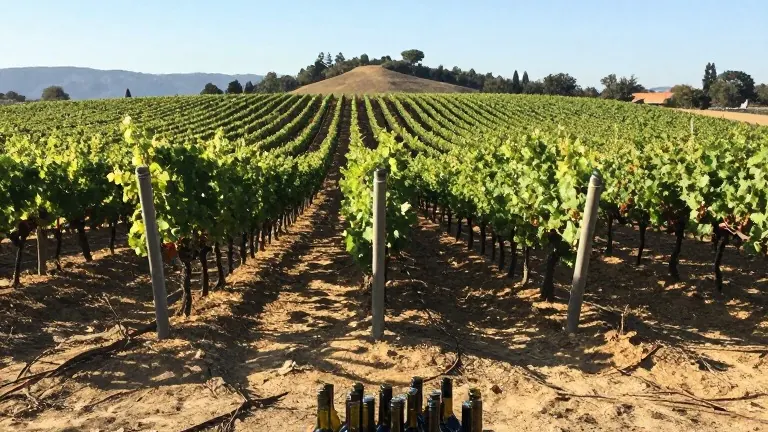
Napa Valley wineries face a long wait before the market fully clears its surplus stock.
Chris Bitter, a wine and grape analyst, predicts that excess supply will persist through another couple of years. He notes that current sales improvements are not yet sufficient to absorb the large inventories accumulated by producers. Bitter expects modest progress in 2027, with distributor sales remaining flat and direct-to-consumer channels seeing slight gains. Retail sales volume rose 1 percent in the 12 months ending in June 2026. This increase followed declines of 2 percent and 9 percent in the comparable periods ending in June 2025 and June 2024. While discounts and private-label wines helped clear shelves, Bitter says these tactics squeezed profit margins for producers.
Direct sales to consumers showed some improvement, though revenue still fell 2 percent according to Community Benchmark data. Bitter attributes this mixed result to rising costs and a continued decline in winery visits. The region has not cut production enough to match demand. The large 2023 harvest added to inventory, and output over the next two years has stayed near the 10-year historical average. Bitter argues that wineries must produce below that average to help eliminate the surplus. He also expects the improving economy in San Francisco to support Napa’s direct sales. He advises wineries to focus resources on their strengths, offer better value to customers, and stay flexible with grape sourcing.
A separate political strategy is forming to support the industry’s recovery. Jim Trezise, a former wine executive, views the midterm elections as a chance to shape federal policy. In an opinion piece for Wine Industry Advisor on Nov. 9, Trezise proposed that Congress dedicate a share of federal wine excise taxes to promotion grants and long-term research. He believes the November election creates an opening for legislation in 2028. Trezise urges industry groups like WineAmerica and the Wine Institute to set legislative priorities early in 2027. He suggests they begin building congressional support by midyear. He argues that 2028 is a better target than 2027 because lawmakers seeking reelection may welcome measures that support rural businesses, jobs, and tax revenue. His plan includes competitive promotion grants and sustained funding for viticulture, enology, and environmental research. He also wants explicit eligibility for USDA-administered, industry-funded commodity programs, a move that would require strong industry unity.
The combination of tighter production and targeted federal advocacy marks the current approach for Napa’s recovery. Producers aim to align output with actual demand while lobbyists prepare a case for specific financial and research support from Washington.
More Business · Consumer Watch · Report a business · Got a Story?