Oncor projects 20% rise in Texas grid spending
The Dallas utility plans to expand its capital budget to roughly $57 billion as it responds to a surge in data center connection requests.
By Adriana Abebe ·
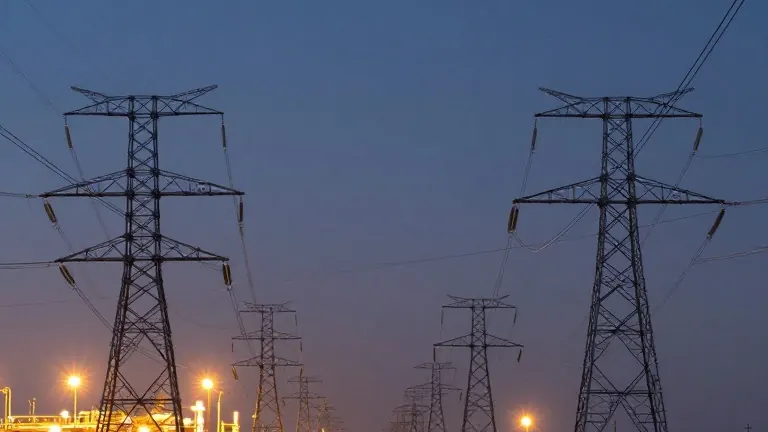
Oncor Electric Delivery, a major utility serving the Dallas area, expects its capital spending to increase by approximately 20% over the next five years. The company attributes this growth to a growing queue of data center projects that require new electrical infrastructure. This projection marks the largest annual spending program in the utility's history.
The financial shift follows a record year for construction. Oncor spent $6.3 billion on capital projects through September of this year, totaling roughly $9 billion for the full calendar year. While the company has not finalized the specific numbers for the upcoming period, it projects that its base capital plan for 2027 through 2031 will be about 20% higher than the previous $47.5 billion plan established for 2026 through 2030.
The driver for this expansion is a massive list of pending power requests. As of September 30, the utility's transmission queue held about 293 gigawatts of data center requests. That amount is more than three times the state's previous record for summer electricity demand, which stood at 91.1 gigawatts. However, Oncor notes that these figures represent requests for connection, not guaranteed operating facilities.
Concerns remain about who pays if these ambitious projects do not materialize. To mitigate risk, Oncor held approximately $6 billion in collateral from customers seeking generation or large commercial connections at the end of September. Of that total, roughly $2 billion is associated with projects in a specific regulatory review process known as Batch Zero. The utility stated that this financial security aims to prevent existing ratepayers from absorbing costs if developers cancel projects after infrastructure work has begun.
State regulators are currently separating mere requests from actual demand. The Electric Reliability Council of Texas, or ERCOT, approved Batch Zero in June to study major users seeking at least 75 megawatts of power together. ERCOT has conditionally classified about 24 gigawatts of this load as base load, with 10 gigawatts already receiving electricity. The remaining 21 gigawatts are designated as studied load. Oncor expects ERCOT to complete its audit of applicants in December.
The final transmission plan reflecting these Batch Zero projects is not expected until fall 2027. Notably, Oncor has excluded these specific projects from its current base capital plan. The utility also reported that new base rates effective in June helped drive its third-quarter net income to $572 million, a rise from $380 million in the same period last year.
Infrastructure work extends beyond data centers to other regional needs. Oncor is building service for an expected 18 megawatts of additional demand from Dallas Fort Worth Airport terminal expansions. It is also installing new electrical feeds for hospitals in Fort Worth's Medical Innovation District. In August, regulators approved 424.2 miles of high-voltage lines with combined estimated costs near $3.95 billion, a project that sparked debate over land use and reliability.
The most consequential decisions regarding the 293-gigawatt request queue remain ahead. Regulators must determine which requests survive scrutiny and how construction costs are distributed. Oncor's current plan does not yet account for the full scope of these future connections, leaving the final cost structure for Texas customers to be determined by upcoming regulatory reviews.
More Business · Consumer Watch · Report a business · Got a Story?