25 Years Ago, 1,000 Songs Fit in a Pocket
Apple's 2001 launch of the iPod reshaped personal music consumption by offering gigabyte-scale storage in a device smaller than a deck of cards.
By Eduardo Salazar ·
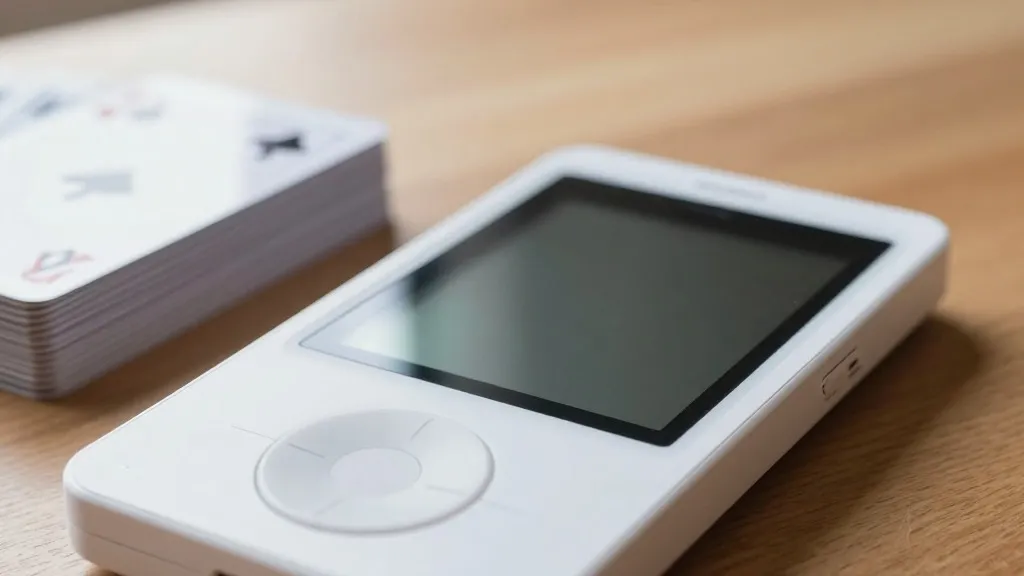
A quarter of a century ago this week, Apple introduced a device that fundamentally changed how people carried their music. On October 23, 2001, CEO Steve Jobs unveiled the original iPod, a pocket-sized player that promised to hold an entire music library for $399. At the time, this was a radical proposition, shifting the focus from the computer as a storage hub to a dedicated, portable device for audio consumption.
The numbers behind the product were designed to appeal to the average consumer. The device featured 5GB of hard disk storage, which allowed it to hold approximately 1,000 songs. Specifically, this capacity accounted for 1,000 MP3 files of typical pop-song length encoded at 160Kbps. Jobs argued that for most users, this amount of data represented their complete collection of favorite tracks.
The physical design was as central to the pitch as the storage capacity. Apple utilized a 1.8-inch hard drive from Toshiba that was just 0.2 inches thick. This component allowed the final product to measure 2.4 by 4 by 0.78 inches, roughly the size of a standard deck of playing cards. Weighing in at 6.5 ounces, the device was marketed as being lighter than the cell phones common at the time.
Connectivity was a major point of differentiation. The iPod used a FireWire 400 connection for both data transfer and charging. Jobs claimed this speed allowed a full CD of music to transfer in as little as five to 10 seconds. In contrast, he noted that USB connections of that era typically required about five minutes for the same task. To fill the entire 1,000-song capacity, the FireWire connection would take roughly 10 minutes, whereas a USB-based player could take up to five hours.
The user experience was built around a scroll wheel with a piezoelectric clicker, designed for one-handed operation. This interface allowed users to navigate by playlist, artist, or song with tactile feedback. The device ran on a rechargeable lithium-polymer battery that provided 10 hours of continuous playback. Apple stated that the battery could be recharged to 80 percent in one hour.
The launch also saw the introduction of iTunes 2, which featured Auto-Sync. This technology ensured that music libraries curated on a Mac were automatically updated on the iPod whenever the device was connected. The iPod served as a digital extension of the computer, a role that would continue until the product line was officially discontinued in May 2022, more than two decades after its debut.
While the iPod eventually gave way to smartphones, its initial impact was immediate. It established a new standard for portable digital music, proving that a small, affordable device could replace the bulkier players from competitors like Sony and Creative.
Source: Tom's Hardware