3.5 billion: The cost of the data center planned for Patagonia
A Polish energy firm aims to build a massive AI hub in Argentina, leveraging cheap land and gas while bypassing traditional regulatory hurdles.
By Adriana Abebe ·
Residents of Trelew, a dusty city in Argentina's Patagonia region, face a new potential neighbor. Instead of a factory or a port, the proposed development is a 3.5 billion dollar data center designed to power artificial intelligence for global tech giants. The project, led by Green Capital, a Polish renewable energy company, is expected to consume roughly 2.7 times more electricity in a single year than the entire city of Buenos Aires did in 2025.
President Javier Milei is actively courting these facilities, positioning Argentina as a low-regulation haven for AI investment. He told the U.S. Chamber of Commerce in Washington last month, "We are not going to regulate Artificial Intelligence. We are going to let it be free." To sweeten the deal, his administration is pushing a Senate bill that would cut the corporate income tax rate from 25% to 15% for AI projects valued at least 1 billion dollars.
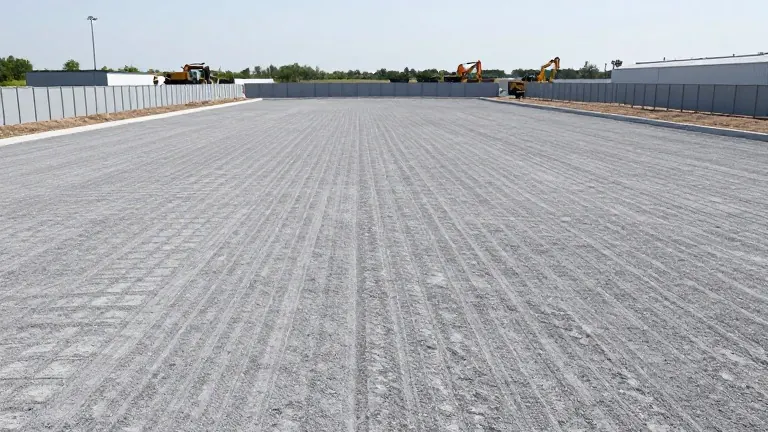
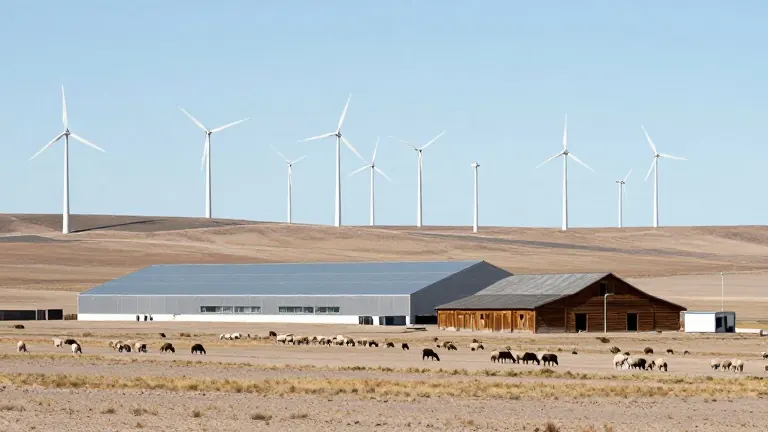
The appeal for investors lies in the region's geography. Patagonia offers vast, flat plains, cold air for cooling servers, and abundant wind and gas resources from the Vaca Muerta shale field. Marta Zlotkowska, head of international development at Green Capital, stated that Argentina ranked first in every category during their global location analysis. The firm plans to generate its own power using wind, solar, and gas, aiming to avoid straining the local grid.
Local landowners are already involved. Fourteen sheep farmers in Chubut province have leased 130,000 hectares of land to Green Capital. Francisco Sáenz, a fourth-generation producer, noted that the industry is seeking new revenue streams after years of drought and rising costs. The farmers intend to continue grazing their flocks alongside the future server farm, which is not expected to break ground until around 2028.
However, the benefits for local communities remain uncertain. The proposed incentives do not require companies to reserve computing power for domestic use or disclose water usage. Alan Rocha Varsanyi, a researcher at the Southern Petroleum Observatory, argued that the computing capacity will be exported to firms like OpenAI rather than serving Argentine needs. Critics also point out that data centers employ relatively few people relative to their energy consumption.
In Trelew, a group of neighbors has organized under the slogan "Trelew Free of Data Centers." Environmental studies are still in progress, and the company has not specified how much water the project will require or what percentage of its energy will come from gas. Cristina Gibón, 46, expressed concern that the resource extraction could leave her children without sufficient water in the future.
The project faces political hurdles as well. The Argentine Congress recently forced Milei to trim a bill that relaxed rules on foreign land ownership. A senior government official, who was not authorized to speak on the record, said companies are waiting for clarity on copyright rules for AI training and data transfers. Some investors are holding back until the presidential elections next year, fearing that a change in government could undo the free-market reforms.
More Business · Consumer Watch · Report a business · Got a Story?