Cuba's Health Sector Strains Under New U.S. Trade Rules
Hospital staff report critical shortages of fuel, food, and medical supplies as Washington tightens sanctions on the island's economy.
By Marta Gray ·
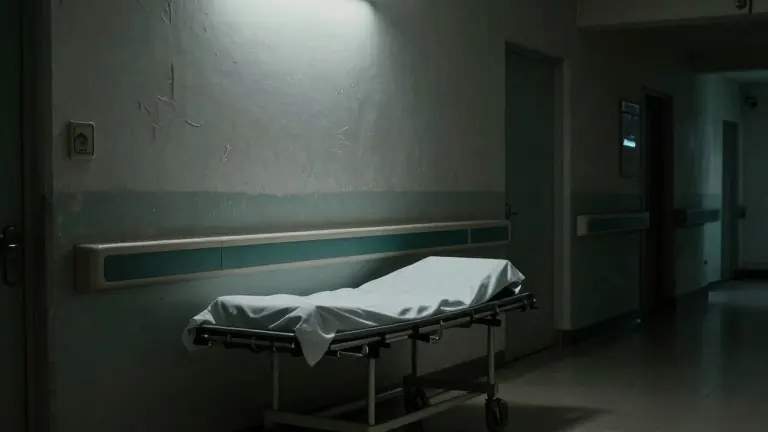
The lights went out in the pediatric emergency room, leaving the staff in darkness for a few seconds until the backup generator kicked in.
That brief gap is now a routine hazard in hospitals across Cuba, a country that has relied on imported goods for decades. Since early January, Cuban officials say only one tanker of oil has reached the island, crippling the electrical grid that powers intensive care units and surgical theaters. When the generators fail, doctors have finished surgeries using the light from their cellphones. If ventilators stop working, staff pump oxygen for critical patients by hand.
The strain on the system is visible in the numbers. A toddler waiting for a part for an artificial lung machine had waited 68 days for a component that typically arrives in two days. In the intensive care unit at William Soler Hospital, a two-month-old infant weighing less than five pounds was admitted for dehydration and malnutrition. The baby had no name and no family, having been abandoned and brought in by protective services. Dr. Alejandro Chong, the head of the ICU, described the prognosis as critical, noting that the infant could die at any moment. The team cleared the airways and prepared a ventilator, but stabilizing the patient required improvisation with local resources.
Dr. Chong explained that specialized formulas from the United States are often unavailable. The hospital now uses formulas made from malanga, a starchy root vegetable, and chicken. This substitution is part of a wider pattern of compromise. Dr. Lorien Rodriguez, a second-year resident in pediatric surgery, said the department faces fewer personnel and resources. She supports herself by working as a radio host because the hospital pay is insufficient. Dr. Chong runs a food stand on the side, earning more there than in his medical practice. Cancer drugs, anesthetics, and lab equipment are in critically short supply.
The economic pressure stems from the Trump administration's tightened sanctions. Washington threatens to punish foreign companies that trade with Cuba, making it difficult for the government to buy fuel, food, or medicine. The U.S. State Department said the failing regime blames the United States for its own incompetence and corruption. A spokesman noted that the government hides billions in overseas bank accounts instead of investing in electricity and infrastructure. Secretary of State Marco Rubio, the son of Cuban immigrants, stated that the regime's economic model does not work and that the leaders are mostly interested in holding onto power.
Havana disputes the U.S. position. Carlos Fernández de Cossío, Cuba's deputy foreign minister and a main negotiator with the United States, argued that the new restrictions are tougher than the sixty-year embargo because they threaten countries and companies that engage commercially with Cuba. He said the United States has no legitimacy to claim such power against the population. Fernández de Cossío acknowledged that his government has responsibility for mismanagement, including building power plants and setting wages, but he emphasized the external influence of U.S. policy.
The daily impact is felt in markets where a carton of eggs can cost more than a month's salary. This year, Cuba enacted 176 economic reforms, dropping monopolies on fuel, banking, and pharmacies. U.S. companies have started exporting fuel to Cuba's private sector, but the cost remains prohibitively high. Paloma Blanco, a dancer with the National Ballet of Cuba, is eight months pregnant with her first child. She is nervous about giving birth but trusts the doctors. She has asked friends in the United States to send surgical supplies in case she needs a C-section, a precaution she believes is becoming common among expecting mothers.
Tensions between the two governments escalated last week during a speech by U.S. Ambassador to the United Nations Mike Waltz. Cuban officials confronted him, with one diplomat shouting that Waltz was a liar. Waltz ordered the ambassador to back up, stating that this was not Havana. The U.N. suspended the meeting, and one Cuban diplomat was expelled from the United States. Negotiations between the two sides have stalled since earlier this year. Fernández de Cossío said face-to-face interactions with U.S. officials occurred in the past months, though the two sides prefer to be discreet about the timing.