Lebanese inflation and energy costs close shops for Palestinian refugees
Rising prices have forced many residents to close their businesses, while UNRWA projects a $200 million funding gap.
By Kofi Costa ·
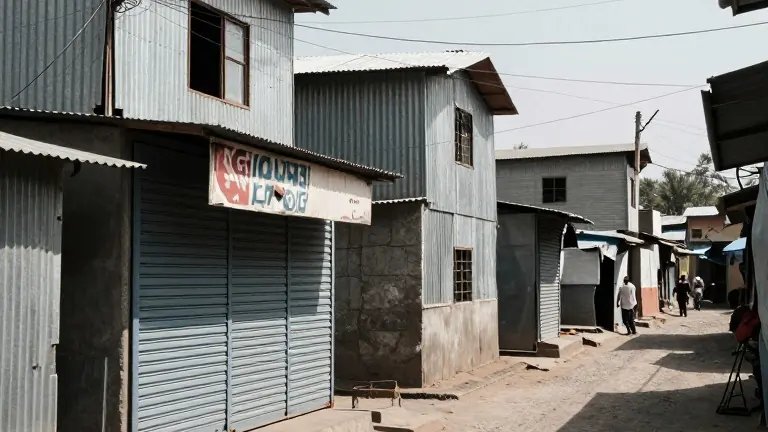
Osama Najjar closed his aluminium shop in the Beddawi refugee camp in Tripoli in early 2024. He could no longer afford the electricity bills required to keep the business running. Since then, he has struggled to find stable work.
Najjar is one of approximately 222,000 Palestinians residing in Lebanon. For many, small businesses are the primary source of income because the country restricts Palestinians from working in fields such as medicine, law, engineering, and pharmacy. These restrictions remain in place despite legal changes aimed at easing labor market entry.
The economic pressure on this community has intensified in recent months. The World Bank predicts that Lebanon's inflation rate could reach 17.5 percent in 2026. The state provides only a few hours of electricity per day, forcing most residents to rely on private generators or alternative energy providers. These costs have outpaced the income of many camp residents.
Elia Ayoub, a UK-based researcher and podcaster, described the treatment of Palestinians in Lebanon as discriminatory. He noted that while Palestinians can study for many professional degrees, they are often barred from practicing those professions. They are also prohibited from owning land and lack political representation in the parliament.
The United Nations agency for Palestinian refugees, UNRWA, faces its own financial challenges. In July, UN Secretary-General Antonio Guterres warned of a funding shortfall of about $100 million. In September, the agency reported that it will likely face a minimum $200 million financial deficit between the end of 2026 and the start of 2027. Many countries cut funding to UNRWA in 2024 following allegations by Israel that its employees participated in the October 7, 2023 attacks, though the agency denied the claims.
Many Palestinians are now turning to sea travel as a way to escape economic hardship. The number of vessels leaving Lebanese shores doubled between 2020 and 2021 and rose by 121 percent in 2022, according to the Friedrich Naumann Foundation. In 2022, at least 86 people died when a boat carrying Palestinians from the camps sank off the coast of Syria.
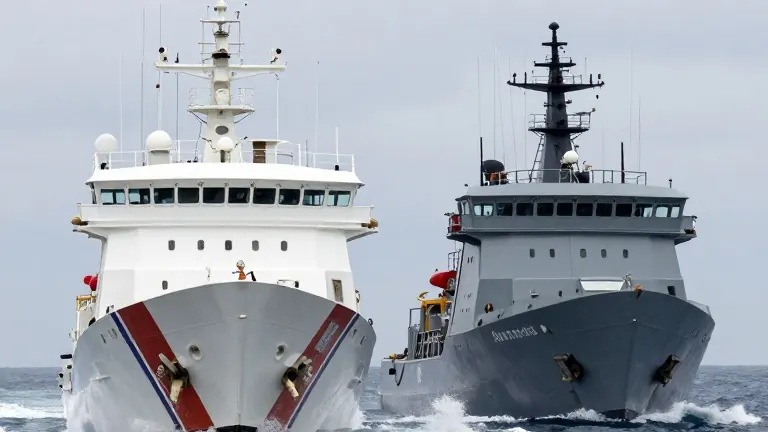
The European Union approved a support mission to Lebanon in late October. The mission is designed to help strengthen security forces, including maritime security governance. Najjar said that talk of boarding boats to reach Turkiye and Greece is common in the camps today. He attributed the push toward the sea to the persistent poor conditions in Lebanon.
Najjar stated that high prices and rising electricity bills remain his primary concerns. He described the overall situation in the camps as tragic. Without economic relief, residents continue to look for ways to leave, despite the risks involved in the journey.