Earthquake and Auction Reshape 250-Year History of San Juan Capistrano Mission
The site of the seventh Spanish mission in California faced a 74% population drop, a fatal 1812 quake, and private ranch ownership before returning to church control in 1865.
By Kofi Costa ·
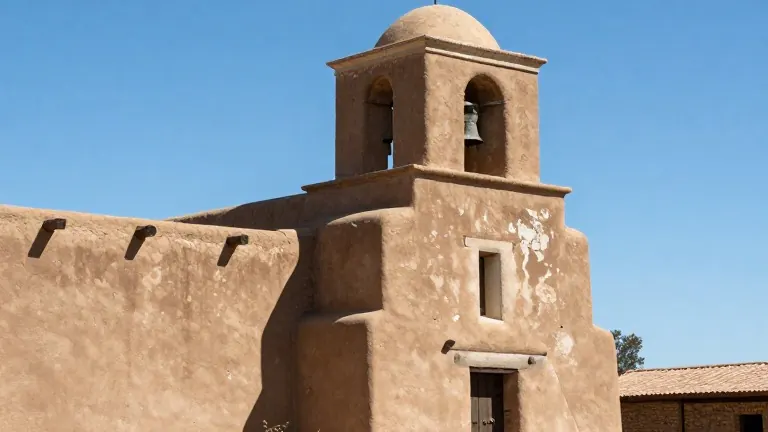
The 250th anniversary of Mission San Juan Capistrano arrives on November 1, 2026, amid a legacy marked by seismic disaster and demographic collapse. The site, located in the town of San Juan Capistrano, serves as the seventh of 21 Spanish missions established in California. Its history involves a complex transition from a Franciscan outpost to a private ranch and back to Catholic ownership, all while the local indigenous population declined sharply.
Father Lasuen first founded the mission on October 30, 1775. A short time later, the group of friars and soldiers departed to help suppress a revolt in San Diego. The 1775 Kumeyaay Revolt involved more than 600 warriors from over 15 local villages rising against the Spanish colonial presence at Mission San Diego de Alcalá. After the conflict in San Diego settled, Father Junípero Serra led a party to refound the mission on All Saint’s Day, November 1, 1776.
Construction on the stone church began in 1796 and finished in 1806. On December 8, 1812, an earthquake destroyed the structure. Forty people, all Native Americans, died while attending Mass. The original inhabitants of the area are the Acjachemen Nation, historically referred to by the Spanish as the Juaneño Band of Mission Indians. Estimates indicate that roughly 65,000 Native Americans lived in the coastal zone of California in 1770. By 1830, only 17,000 remained, representing a decline of 74%.
Following the 1812 earthquake, the mission struggled with disease and population loss. In 1821, Mexico won independence from Spain, making Alta California a Mexican territory with little interest in the Spanish missions. In 1845, Alta California Governor Pio Pico sold the mission at auction to his brother-in-law, John Forster. For the next 20 years, the Forster family operated the mission as a private ranch property.
After California became a state in 1850, Catholic Bishop Joseph Alemany petitioned the U.S. government to return the mission buildings and lands to the church. In 1865, President Abraham Lincoln returned the mission to the Catholic Church. The gardens and ponds visible at the site today did not exist until renovations began in the 1910s.
The town continues to welcome visitors for the return of the swallows in March, a tradition celebrated since the early 1930s. The annual parade continues, though the number of swallows has dropped significantly over the years. The Serra Chapel, dating from the 1780s, remains California’s only chapel where Saint Serra celebrated Mass. Serra, born in Mallorca, Spain, served as Father President of the Alta California Missions from 1769 until his death in 1784 at age 70.
Spanish law in 1813 specified that mission lands would eventually revert to Indian hands. The Mexican government allowed some mission Indians their freedom in 1826. In 1833, the Mexican Congress passed a law transferring missions from Franciscan control to parish churches, with further laws in 1834 detailing the process. Despite these legal shifts, most mission lands ended up in the hands of wealthy local residents, and Native Americans were largely removed from the properties or left to fend for themselves.