FAA Activates First Digital Control Towers in Florida and Alaska
New camera and display systems at two regional airports aim to boost controller visibility without replacing human oversight.
By Kofi Costa ·
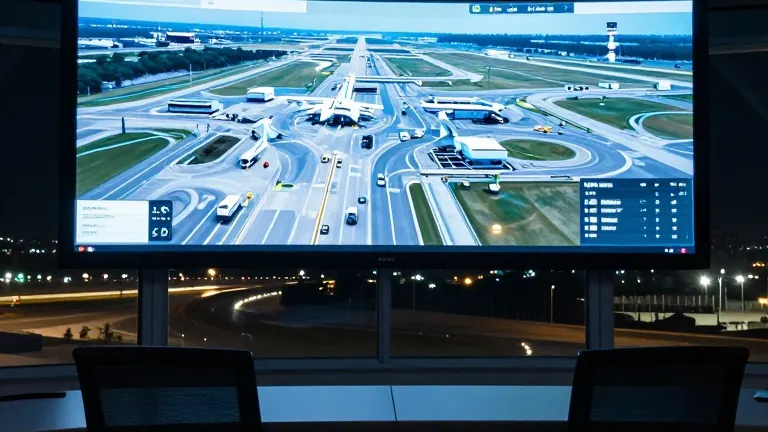
The Federal Aviation Administration officially switched on the first digital air traffic control towers in the United States at two small airports this week. The new systems are now live at the Bartow executive airport in Florida and the Kenai municipal airport in Alaska.
These installations mark the initial phase of a wider effort to refresh the nation’s aging aviation infrastructure. The agency plans to install the technology at five more regional airports in the coming months.
The digital towers function by combining advanced camera arrays with large digital displays. This setup gives controllers a continuous, 360-degree view of runways, taxiways, and surrounding airspace. The FAA stated that the technology is intended to support human controllers rather than replace them by providing greater visibility and additional data streams.
Bryan Bedford, the FAA administrator, said in a release that air traffic controllers remain responsible for keeping aircraft safely separated. He explained that the agency is providing them with better tools to perform that duty. Bedford noted that the new systems offer improved visibility of airport activity and more information to aid in critical decision-making.
The rollout comes as the FAA prepares to address its modernization progress before the House transportation and infrastructure committee next week. Bedford is expected to discuss the administration’s $12.5 billion modernization initiative, which Congress approved over five years in June 2025. That funding aims to replace decades-old equipment, including copper telecommunications lines, floppy disks, and paper strips used to track aircraft. The administration is currently seeking an additional $30 billion from Congress to fund further improvements.
The update follows the FAA’s September introduction of a new artificial intelligence tool called Strategic Management of Airspace, Routes, and Trajectories. Known as Smart, the software has drawn attention from stakeholders monitoring the integration of automated systems into aviation safety. This move follows a national shortage of air traffic controllers that emerged after the previous year’s government shutdown.
Staffing levels in control towers have faced intense scrutiny since a midair collision on the outskirts of Washington DC in 2025. The crash between a passenger jet and a military helicopter killed 67 people, making it the deadliest aviation accident in the United States in more than two decades. Authorities concluded that the incident was entirely preventable.
More Business · World news · Consumer Watch · Report a business · Got a Story?