
Louisiana drops large-scale river sediment diversions to protect fisheries
Governor Jeff Landry's administration abandons key coastal projects, prioritizing commercial interests over land restoration efforts.
By Kofi Costa ·
The Louisiana administration has officially abandoned its planned large-scale sediment diversion projects, a move that ends the central component of the state's coastal restoration program. This decision sides with commercial stakeholders who argued that introducing massive volumes of river water would disrupt local marine ecosystems.
The shift in policy leaves the state relying on smaller restoration efforts after losing roughly 2,000 square miles of wetlands since 1932. The U.S. Geological Survey attributes this extensive land loss to a combination of subsidence, sea-level rise, and the interruption of natural tidal flows caused by oil field canals.
A recent study by the University of California determined that South Louisiana is sinking faster than any other river delta on Earth. This accelerated loss is partly driven by the Mississippi River levee system, built after the 1927 flood, which has cut the river off from the delta it historically nourished with sediment.
Geologist Chris McLindon described the historical volume of sediment delivered by the river as comparable to the Himalayas flipped upside down and reaching five miles deep. Modern infrastructure, including locks and dams far upriver, now traps much of that material before it reaches the coast, reducing the natural land-building capacity of the waterway.
The loss of wetlands removes a critical natural buffer against hurricane storm surge. Mark Davis, a research professor at Tulane University, noted that the state's coast serves as a vital shield against landfalls, a capacity that coastal cities like Miami or Norfolk lack.
Despite the setback, the state has managed to restore or nurture 55,000 acres of land and more than 70 miles of barrier islands through previous projects. Foster Creppel, a coastal activist in Plaquemines Parish, called for unity among factions to save the delta, warning that continued internal conflict jeopardizes the region's future.
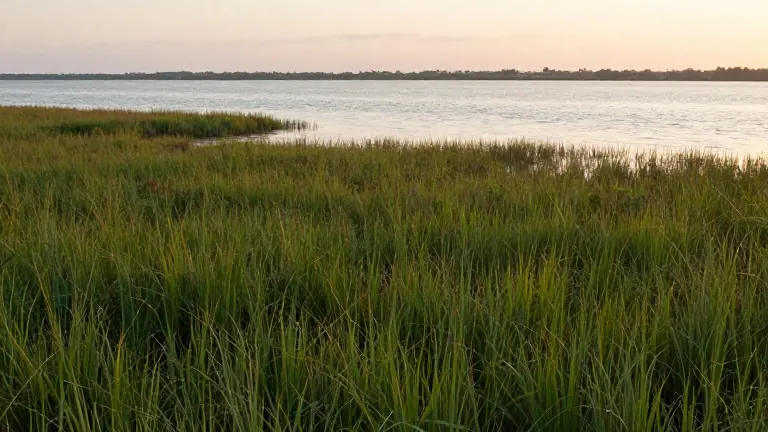
The Mississippi River Delta covers approximately 2.7 million acres and contains the largest area of brackish marsh on the North American continent. This ecosystem supports fisheries, wildlife habitat, and serves as a major flyway for migrating birds.
More Business · Consumer Watch · Report a business · Got a Story?