Study: Rural and Low-Income Homeowners Absorb Data Center Grid Costs
Cornell researchers found residential customers paid over $16 billion for infrastructure built primarily to serve artificial intelligence facilities.
By Kofi Costa ·
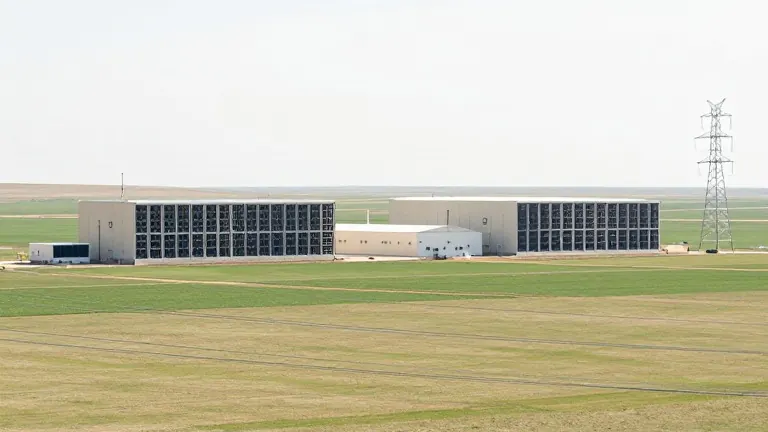
Residential customers in rural and lower-income areas bore the heaviest financial burden for power infrastructure built to support artificial intelligence data centers, according to a new analysis.
Researchers at Cornell University published the findings in Nature Energy this week. The team examined energy demand trends across four major U.S. power grids from 2020 to 2025. They also evaluated data from 4,000 existing and proposed data centers nationwide.
The analysis tracked how wholesale power prices fluctuated in open marketplaces where electricity is traded in bulk. Grids that were already under strain saw the steepest price increases. Data centers in California's Southern Bay Area pushed wholesale energy prices up by nearly 20% last year. The Dallas-Fort Worth area of Texas saw a similar surge, with prices rising by approximately 17% in 2025. By comparison, New York, which hosts fewer data centers, did not experience substantial changes in wholesale energy prices.
Spending on transmission infrastructure across the four analyzed grids expanded from $2 billion in 2020 to $34.2 billion in 2025. Data centers accounted for $8.25 billion of these infrastructure costs last year. However, residential users were billed more than $16 billion for these upgrades, while data centers paid roughly $3 billion.
The study attributes this imbalance to outdated cost allocation formulas. These formulas historically divided expenses based on previous energy consumption rather than new growth. This method forced households to absorb much of the expense for developing new power infrastructure. Fengqi You, one of the study's authors, described the situation as a chicken-and-egg problem. He noted that building a data center requires expanding power infrastructure to ensure electricity supply, but the facility is not using energy before it is constructed.
Residents in rural and lower-income areas saw their bills rise sharply. Some faced energy cost increases 76% larger than those in urban communities. Although data centers are concentrated near metropolitan hubs, the financial burden often spreads to surrounding suburban and rural areas due to current policies governing how energy costs are shared.
The study identified a mismatch between AI usage and cost increases. States like West Virginia and Ohio, which reported the lowest usage of generative AI, experienced the largest cost increases. Some states also paid for infrastructure supporting data centers located far away. Residents in New Jersey and Pennsylvania helped fund power grid updates tied to data center growth in Virginia. They effectively paid for infrastructure they neither contributed to nor directly benefited from.
Researchers suggested that data centers reduce energy use during peak demand hours or pay states directly for the new demand they add to the grid. With regulating data centers a major focus for lawmakers in November, the team hopes their findings will inform legislative decisions. You emphasized the need for science-based evidence to help stakeholders understand the full picture and weigh their options in these ongoing debates.
More Business · National news · Consumer Watch · Report a business · Got a Story?