Tesla limits driverless cars to small zones
Owners will only be able to use unsupervised driving within specific urban areas where Tesla operates its robotaxi service.
By Jacob Leary ·
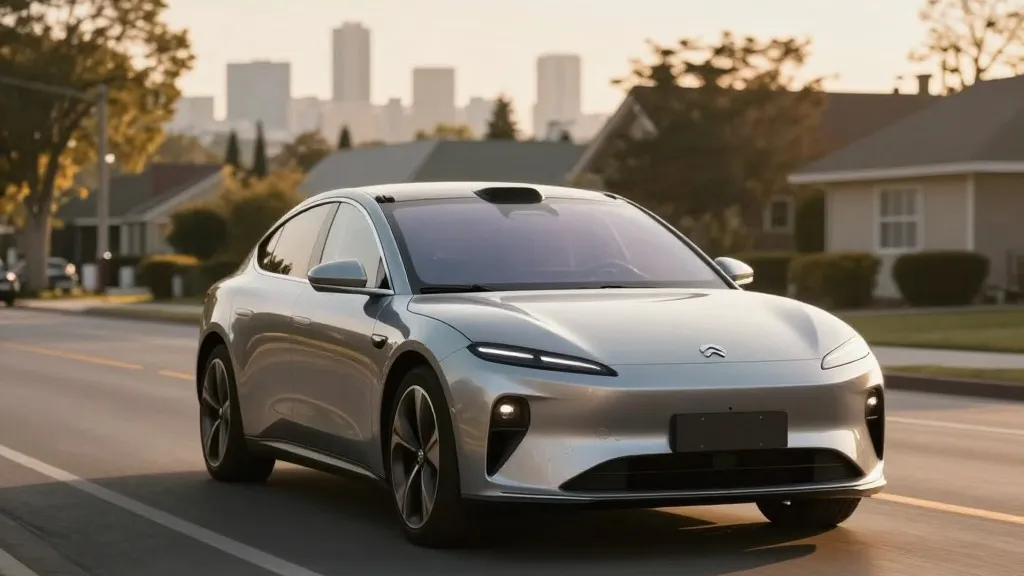
Tesla has set a new target date for unsupervised Full Self-Driving in customer-owned vehicles, placing the rollout in the second quarter of 2027. However, this update is not a universal software patch that allows cars to drive anywhere. Instead, it restricts the feature to specific geographic areas where Tesla already operates its robotaxi fleet.
During the company's earnings call for the third quarter of 2026, AI chief Ashok Elluswamy clarified the scope of the feature. He explained that the system will allow owners to add their personal vehicles to Tesla’s managed robotaxi network. This means the car will only drive itself without supervision within the boundaries of that existing service.
These operational zones are currently quite limited. Tesla’s robotaxi service is active in six major US metropolitan areas, but the service areas cover only small portions of those cities. For example, in Miami, the zone primarily includes West Miami and a narrow strip extending toward Doral and Sweetwater. Similar small geofences were established in Orlando and Tampa in July.
Within these designated areas, the vehicles follow strict operational rules. They stick to low-speed routes, generally avoid highways, and steer clear of complex urban environments. The Bay Area presents an additional hurdle; because Tesla has not yet released certain data to the California Department of Motor Vehicles, the system there is not fully unsupervised. A safety driver remains in every car to comply with state regulations for autonomous systems beyond level two.
The scale of the current fleet is also modest. By the end of the third quarter, Tesla reported that its robotaxi fleet had accumulated nearly two million unsupervised miles. This milestone came one month after the Cybercab was added to the Austin fleet. Third-party tracking data from earlier this year indicated that only dozens of fully driverless Teslas were on the road, a figure far below the hundreds of thousands previously discussed by company leadership.
Competitor Waymo has already established a presence in both Orlando and Tampa before Tesla entered those markets. Waymo has logged more than three million miles in its autonomous service. In contrast, Tesla’s progress in California remains cautious. The company holds a permit for testing with a driver but has not yet secured the specific permit for driverless deployment, a step that took Waymo ten months to complete.
This new roadmap marks a shift from the marketing pitch that has driven sales since 2016. Previous communications suggested that a software update would eventually allow a car to drive itself anywhere. In July 2025, the company told investors that unsupervised personal use would be available in certain geographies by the end of that year. Now, the product is narrower: the car joins the fleet, operates in specific zones, and follows Tesla’s operational terms.
Owners with older hardware, known as HW3, face an additional complication. They have been informed that their current computers cannot run the unsupervised version of the software, and no clear upgrade plan has been provided. This creates a distinction between newer vehicle owners who can participate in the pilot and those who cannot, potentially limiting the feature's reach within the customer base.
The delay and restricted scope reflect ongoing challenges with safety validation. Company officials have cited safety as the primary bottleneck, which is why the system is currently limited to low-speed roads and simpler environments. While engineers believe these issues will be resolved by next year, the precise timeline remains uncertain. The feature will not support highway road trips or cross-town commutes unless the driver’s home and workplace happen to fall within one of the small, controlled geofences.
Source: Electrek