Urban League Opens Harlem Museum Detailing Northern Civil Rights History
The new facility in Manhattan features multimedia exhibits on the Great Migration and local activism, opening amidst federal funding cuts for similar institutions.
By Marta Gray ·
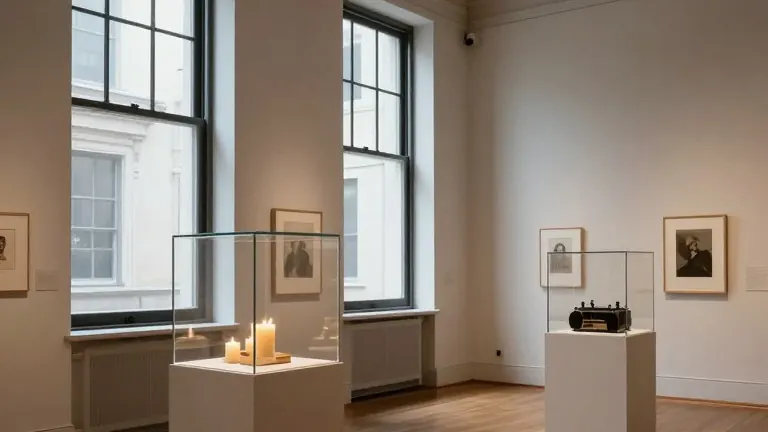
The Urban Civil Rights Museum opened its doors to the public this weekend in the Harlem district of Manhattan. The facility is housed within the National Urban League’s headquarters, marking a physical expansion of the organization’s mission into public education and preservation.
Jennifer Scott, the museum’s founding executive director and chief curator, stated that the collection aims to recognize residents who played key roles in the movement. "We want people to know that they are key participants," Scott told The Associated Press during a preview of the space. She added that history is living and unfinished, noting that visitors can impact it.
Marc Morial, the Urban League’s president and CEO, explained that anchoring the museum in Harlem allows the building itself to tell the story. "From this place, we’re telling the story of this place," Morial said. He noted that many civil rights museums are located in southern states like Alabama, Mississippi, Georgia, and Tennessee, which is understandable given the history of the Confederacy and Jim Crow laws.
Morial expressed concern that there are fewer museums documenting the institutionalized racism faced by Black people in northern states. The museum’s multimedia installations cover centuries of social justice history. The inaugural exhibits recount the trans-Atlantic Slave Trade, the first and second waves of the Great Migration, and the modern impacts of the Civil Rights Movement.
Audio recordings in the exhibits relay speeches from civil rights leaders and oral histories from people interviewed about their experiences. Feedback walls invite guests to share if they have participated in a protest or read a banned book. Scott prioritized immersion through the stories chosen for representation, saying, "We wanted people to see themselves. It’s a very diasporic representation and storytelling approach."
Morial, who describes himself as a proponent of intersectional solidarity, emphasized celebrating diverse perspectives from people who rallied alongside African Americans in the north. "We don’t want this great concept, equal opportunity and diversity, to be suppressed," he said. The opening coincides with actions by the Trump administration to remove Black history from national museums, including the removal of stories celebrating Black military heroes from official websites.
The administration also removed an exhibit detailing the history of George Washington’s slaves outside the President’s House. Additionally, the Trump administration canceled a grant for the New York Underground Railroad Museum. Morial acknowledged the political climate surrounding the opening. He said the museum retells history with all of its beauty and with all of its warts. "This history is not going to be minimized or suppressed in any way," he said.
The museum will remain open to the public during its initial weekend of operations. The National Urban League will continue to manage the space from its existing Manhattan headquarters. The exhibits are designed to remain accessible to visitors seeking to understand the northern dimensions of the Civil Rights Movement.