Economy Top Issue as AP Poll Shows 35% Approval for Trump
Voters in Raleigh and Palm Beach highlight the cost of living as the central concern in the 2026 midterms.
By Kofi Costa ·
The Associated Press describes the 2026 midterm election as a referendum on President Donald Trump's second term, with voters struggling with high prices and angry over an unpopular war with Iran. The AP-NORC poll conducted on November 3 indicates that 35 percent of U.S. Adults approve of Trump's job performance. Only 25 percent approve of his handling of the economy, which remains the dominant topic in voter discussions. About seven in ten Americans say the country is heading in the wrong direction, and most blame the president for high prices.
These polling numbers provide context for the intense campaign activity surrounding the midterms. Republicans are bracing to lose the House while fighting to hold the Senate. The party believes that one or two seats could tip either chamber. Democrats are described as cautiously optimistic, pointing to the economic dissatisfaction expressed in the polls. The stakes are high because if Democrats win even one chamber, investigations and possible impeachment proceedings become likely.
The economic pressure is felt distinctly by voters in key battleground states. James Moore, a 57-year-old librarian in Raleigh, North Carolina, cited the rising cost of living as his primary concern. Moore stated that he is paying more taxes, more for his healthcare, and more for everything. His comments reflect the broader sentiment captured in the AP-NORC data regarding the wrong direction of the country. The AP notes that tariffs and economic strain have made several states more competitive than expected.
In contrast, some voters remain aligned with the president despite the economic data. Mark Barker of Palm Beach Gardens, Florida, said he has been following Trump the whole time and believes he is doing an awesome job. Barker's perspective highlights the divide among voters, with some prioritizing loyalty to the president over the economic metrics. Trump has continued to make false claims about voting fraud, including that noncitizens vote in large numbers, which adds to the tension in the election.
The AP-NORC poll is one of many surveys tracking public opinion, but its findings align with the broader narrative of economic anxiety. The president's approval rating of 35 percent is a significant factor in the race for congressional control. Republicans hold 218 seats in the House, and Democrats need a net gain of three districts for a majority. In the Senate, Republicans hold 53 seats, and Democrats need a net gain of four seats. The AP notes that Republicans can lose no more than two seats in the House and only two in the Senate to maintain their majorities.
Money has played a crucial role in shaping the campaign landscape. The 2026 elections will likely be the most expensive in history, with Republican committees outraising and outspending Democratic committees at the committee level. This is helped by Trump-affiliated groups and Elon Musk. However, at the candidate level, Democrats have outraised their opponents. 88.1 percent of Republican general election TV ad spending went to states and districts Trump won in 2024. This includes more than $850 million in areas where he won by 10 points or more.
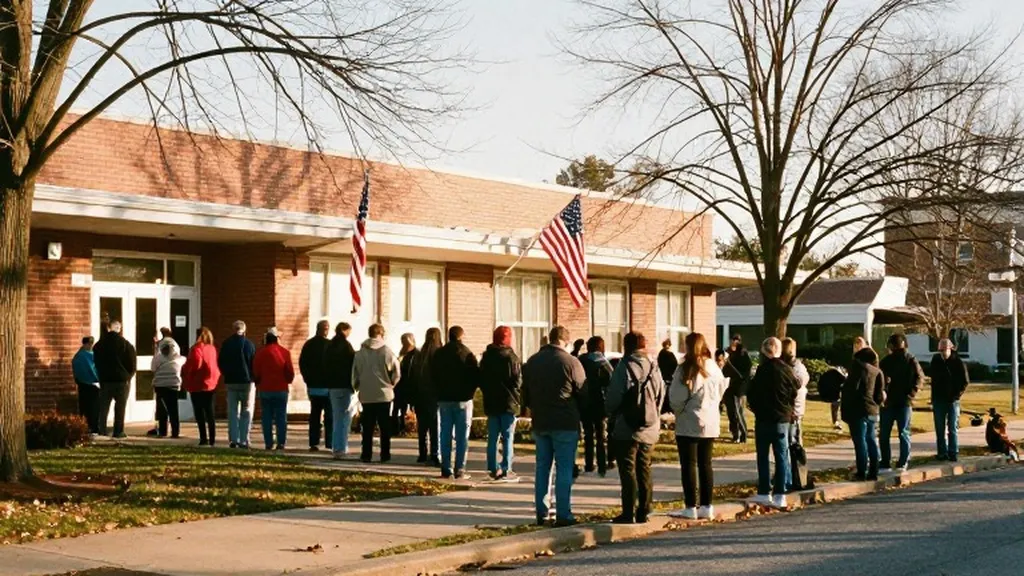
Voter turnout is expected to be high, with more than 57 million people having already voted as of Monday. This figure surpasses the early vote of four years ago in many closely watched states. RNC Chairman Joe Gruters stated that everything depends on turnout, emphasizing that if Republicans turn out their voters, they win. DCCC Chair Rep. Suzan DelBene countered that the American people are angry and want change. The AP notes that Trump held dozens of rallies, ending Sunday in Salina, Kansas, where he asked voters to pretend he is on the ballot.
The election administration has faced legal challenges that could impact the final count. A federal judge temporarily barred the Trump administration from carrying out a plan it says would prevent noncitizen voting. Critics argue this risks disenfranchising eligible voters and infringes on states' authority over elections. The administration also sued in Alaska and California, and Democrats fear interference as the Justice Department threatens to prosecute local election officials. The U.S. Postal Service has added hours and staff to ensure mail ballots are counted on time.
Wall Street is watching the results closely, with Reuters noting that the outcome could add to investor concerns about AI spending and debt ceiling negotiations. The economic focus is not just a political slogan but a tangible concern for households across the country. The AP-NORC poll underscores that the economy is the top issue for voters, with high prices and healthcare costs driving much of the discontent. The results will determine who controls Congress for the president's final two years, with significant implications for the national agenda.
In North Carolina, the open Senate seat is a key battleground due to the retirement of Thom Tillis. The AP identifies the race between Democratic former Gov. Roy Cooper and former Republican National Committee chair Michael Whatley as critical. The state voted for Trump in 2024 by a margin of 3.3 percent, making it a closely watched contest. Similarly, in Maine, economic strain and tariffs have made the state competitive, with Sen. Susan Collins facing Democratic former state Senate President Troy Jackson. These races illustrate how economic issues are influencing voter decisions in both red and blue states.