Turnout drives 2026 midterms as 57 million cast early votes
Republican and Democratic leaders focus on voter mobilization as polls open for a decisive showdown over Congress.
By Adriana Abebe ·
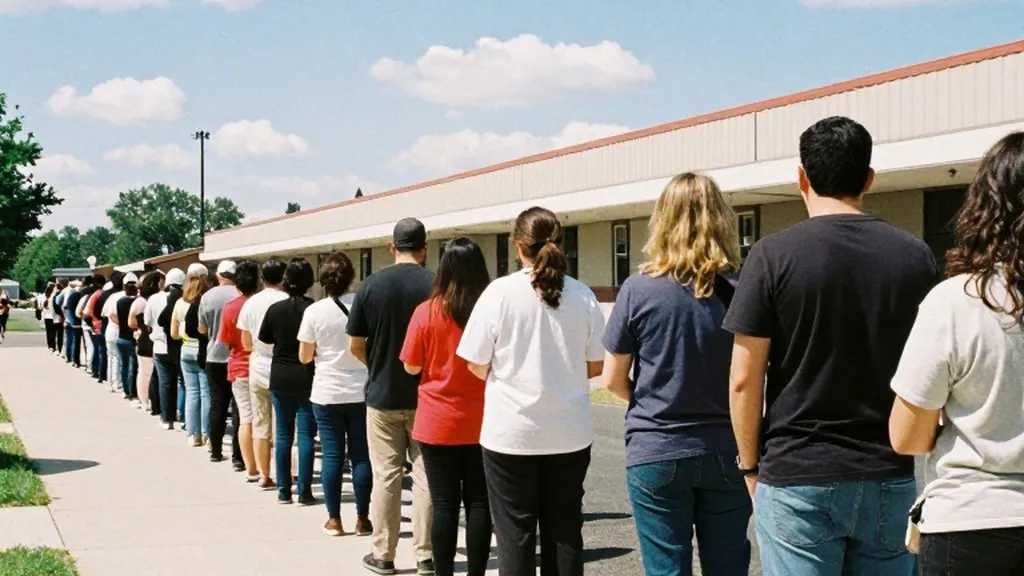
More than 57 million Americans have already cast their ballots for the 2026 midterm elections, a figure that surpasses early voting totals from four years ago in many closely watched states. This significant early participation sets the stage for a decisive day at the polls, where voters will determine which party controls the U.S. House of Representatives and the U.S. Senate. The Associated Press reports that this early surge is a critical component of the election, with both parties viewing high turnout as the primary determinant of the outcome.
Republican National Committee Chairman Joe Gruters emphasized the central role of voter participation in a statement to the press. He noted that everything depends on turnout, asserting that if the party mobilizes its voters, they will win. This perspective aligns with the Republican strategy of fighting to hold the Senate while bracing for the possibility of losing the House. Gruters stated that this focus on turning out voters has been the core of their planning strategy leading up to Election Day.
In contrast, Democratic Congressional Campaign Committee Chair Rep. Suzan DelBene framed the election around voter sentiment and the desire for change. She stated that the American people are angry and that they want change. This message resonates with polling data from the Associated Press and NORC, which indicates that about seven in ten U.S. adults believe the country is heading in the wrong direction. Most of those respondents blamed President Donald Trump for high prices, a key economic concern driving voter dissatisfaction.
The economic climate remains a dominant factor in voter decision making. The Associated Press describes the election as a referendum on the president's second term, noting that voters are struggling with high prices and are angry over an unpopular war with Iran. An AP approval poll shows that 35 percent of U.S. adults approve of Trump's job performance, while only 25 percent approve of his handling of the economy. These figures highlight the pressure on Republican candidates to defend the administration's record while addressing economic anxieties.
Ground game operations have been intense as both parties sought to influence the final stretch of the campaign. President Trump held dozens of rallies to boost Republican turnout, ending his schedule on Sunday in Salina, Kansas. During that event, he asked voters to pretend he was on the ballot, a strategy aimed at linking his approval to candidate success. Many Republican candidates maintained a certain distance from the president, navigating the complex dynamics of a midterm election where the incumbent party often faces headwinds.
The stakes for the House of Representatives are particularly high, with all 435 seats up for election. Republicans currently hold 218 seats, while Democrats hold 214, with one independent and several vacancies. Democrats need a net gain of three districts to secure a majority, whereas Republicans can afford to lose no more than two seats. Ballotpedia identifies 46 battleground districts in this race, with 25 currently held by Democrats and 21 by Republicans. This narrow margin underscores the importance of turnout in these competitive areas.
In the Senate, 35 seats are contested, including 33 regular elections and two special elections. Republicans hold 53 seats, while Democrats hold 45, plus two independents who caucus with the Democrats. Democrats require a net gain of four seats to take control of the chamber, while Republicans can lose only two. Key matchups in states such as North Carolina, Georgia, and Ohio are drawing significant attention, with candidates focusing on local issues and national economic concerns. The outcome in these states could tip the balance of power in the upper chamber.
Voter attitudes on the ground reflect the broader national mood. Mark Barker of Palm Beach Gardens, Florida, expressed support for the president, stating that he has been following Trump closely and believes he is doing an awesome job. Conversely, James Moore, a 57 year old librarian in Raleigh, North Carolina, highlighted the financial strain on households. Moore noted that he is paying more in taxes, more for healthcare, and more for everything, illustrating the economic pressures that are influencing voter choices across the country.
The Associated Press notes that if Democrats win even one chamber, investigations and possible impeachment proceedings become more likely. House Democratic Leader Hakeem Jeffries has outlined a 100 day agenda focused on the cost of living and oversight if his party gains control. A strong Democratic performance would also boost potential 2028 candidates, including Gavin Newsom, JB Pritzker, and Pete Buttigieg. Republicans, however, are trying to beat the traditional midterm pattern where a president's party almost always loses seats, relying in part on new redistricting maps.
Election administration issues have also played a role in the pre-election period. A federal judge temporarily barred the Trump administration from carrying out a plan to prevent noncitizen voting, a move critics said risked disenfranchising eligible voters. Additionally, a judge ordered the administration to stop demanding that California election officials segregate ballots cast by people on lists of suspected noncitizens. These legal battles have added a layer of complexity to an election that is already focused heavily on turnout and economic performance.
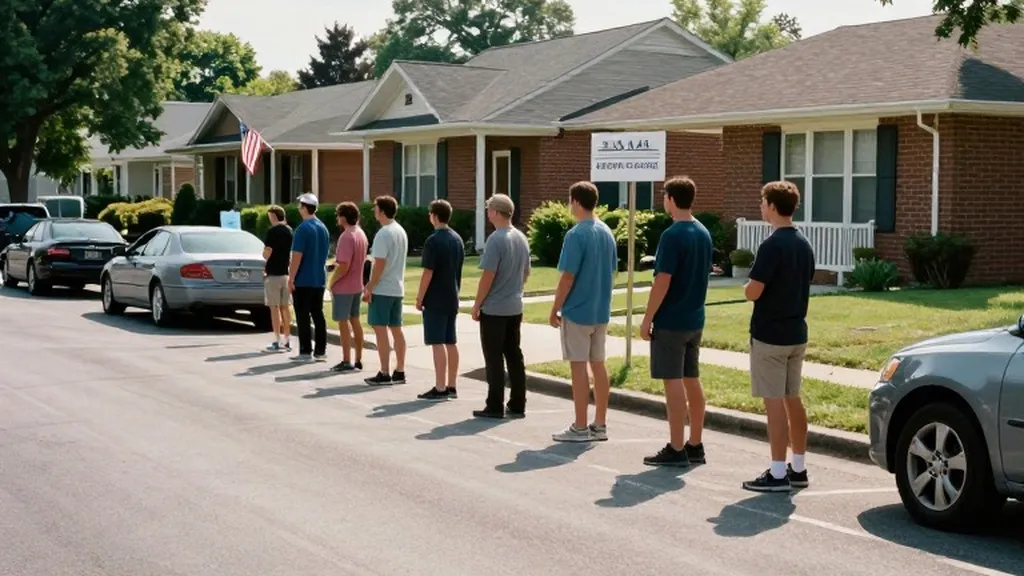
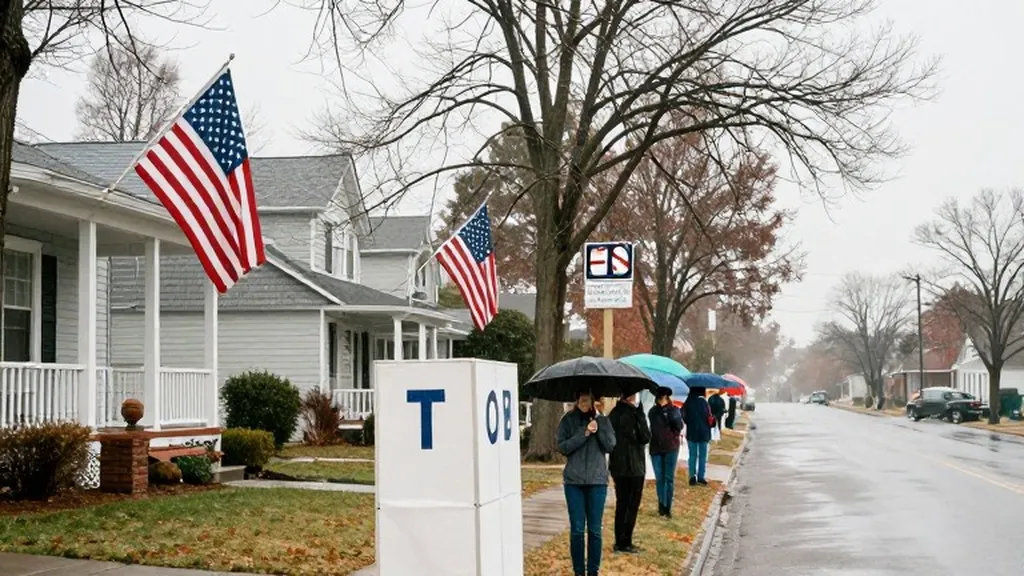
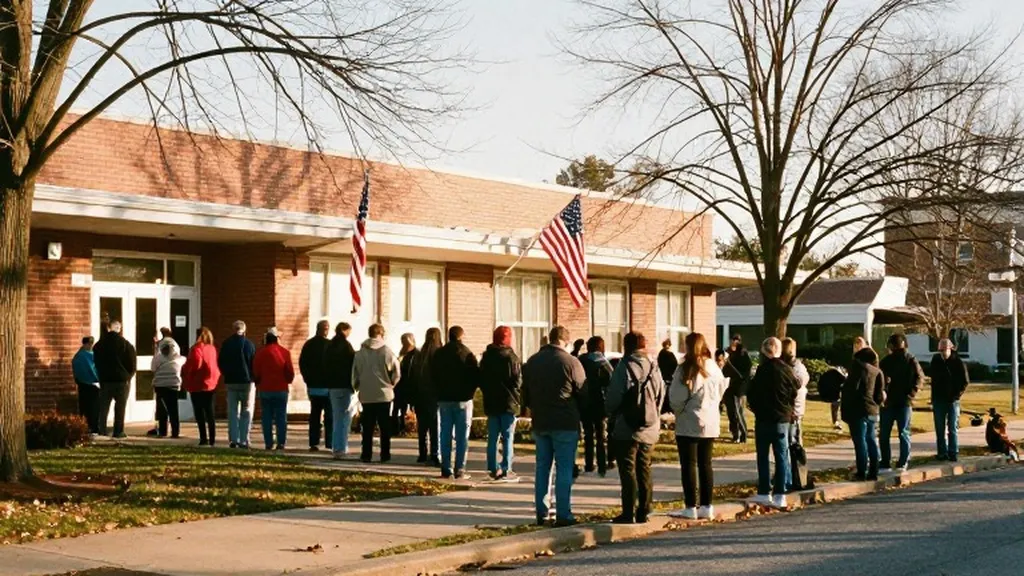
As polls open across the country, voters are heading to their designated locations to cast their ballots. In states like California, Florida, and Texas, new congressional maps are being used for the first time, a result of mid-decade redistricting. The U.S. Postal Service has added hours, staff, and special lines to ensure that mail ballots are counted on time. With the polls open, the focus shifts to the final hours of voting, where the combination of early votes and Election Day turnout will determine the future of Congress.