Midterm math: Both parties race to break the historical seat loss cycle
With polls open on Election Day, Republicans rely on redistricting and high turnout while Democrats target price-focused voters to flip Congress.
By Kofi Costa ·
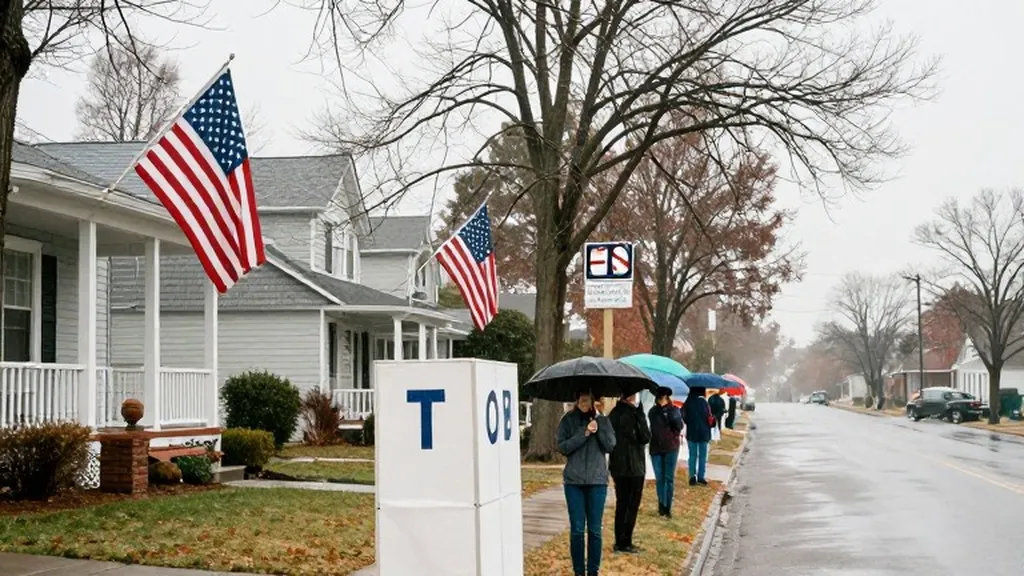
History suggests that the party of the sitting president almost always loses seats during midterm elections. This pattern has held true in most cycles since the mid-twentieth century, creating a predictable hurdle for the White House party. On Tuesday, November 3, 2026, voters across the United States are casting ballots in what the Associated Press describes as a referendum on President Donald Trump's second term. The outcome will determine which party controls Congress for the final two years of the current administration.
Republicans hold a slight advantage in the current composition of the House, with 218 seats compared to 214 for Democrats. To maintain their majority, Republicans can afford to lose no more than two seats. Democrats, conversely, need a net gain of three districts to take control. Ballotpedia identifies 46 battleground districts, with 25 currently held by Democrats and 21 by Republicans. The Senate race is equally tight, with Democrats requiring a net gain of four seats to secure a majority while Republicans can lose only two to hold their 53-seat advantage.
Voters are struggling with high prices and are angry over an unpopular war with Iran. AP-NORC polling indicates that 35 percent of U.S. Adults approve of Trump's job performance, while only 25 percent approve of his handling of the economy. About seven in 10 respondents say the country is heading in the wrong direction. Many of these voters blame the president for rising costs, a sentiment that has energized Democratic fundraising efforts at the candidate level.
Republicans have attempted to counter the historical trend through strategic redistricting and substantial financial investment. Republican committees outraised and outspent their Democratic counterparts, aided by Trump-affiliated groups and Elon Musk. 88.1 percent of Republican general election TV ad spending went to states and districts Trump won in 2024. This includes more than $850 million spent in areas where he won by 10 points or more. The party believes these maps will protect incumbents and create safer margins.
However, the effectiveness of these new maps remains uncertain. Six states are using new congressional maps after mid-decade redistricting, including California, Florida, Missouri, North Carolina, Tennessee, and Texas. Ohio is also utilizing a new map. Political analysts note that some of these newly drawn districts may not vote as intended. In particular, 21 Democratic-held districts voted for Trump in 2024, while nine Republican-held districts voted for Kamala Harris. This overlap suggests that the presidential margin in a district does not always predict the outcome of the congressional race.
Turnout is the decisive factor in this election. RNC Chairman Joe Gruters stated that everything depends on turnout, asserting that if the party turns out its voters, they will win. This strategy involves heavy investment in ground game and advertising in key states. Democrats, led by DCCC Chair Rep. Suzan DelBene, argue that the American people are angry and want change. They are focusing on economic issues such as healthcare costs and taxes to mobilize their base and moderate voters who are dissatisfied with the status quo.
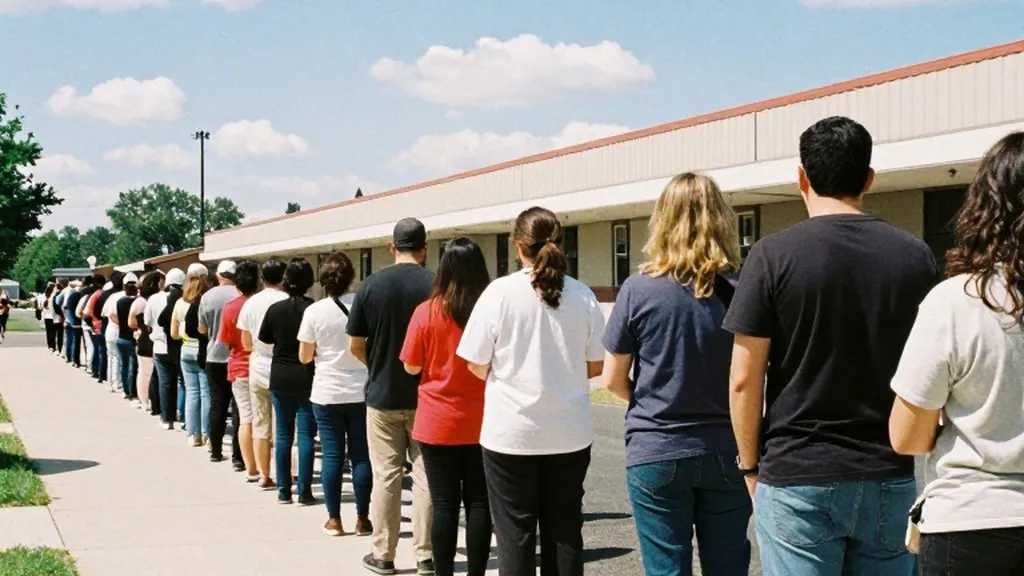
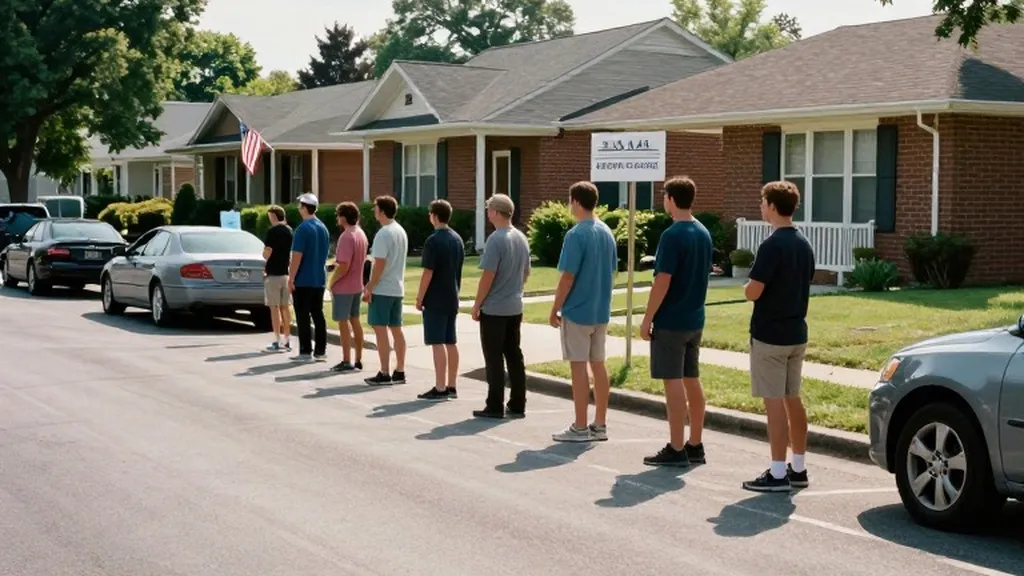
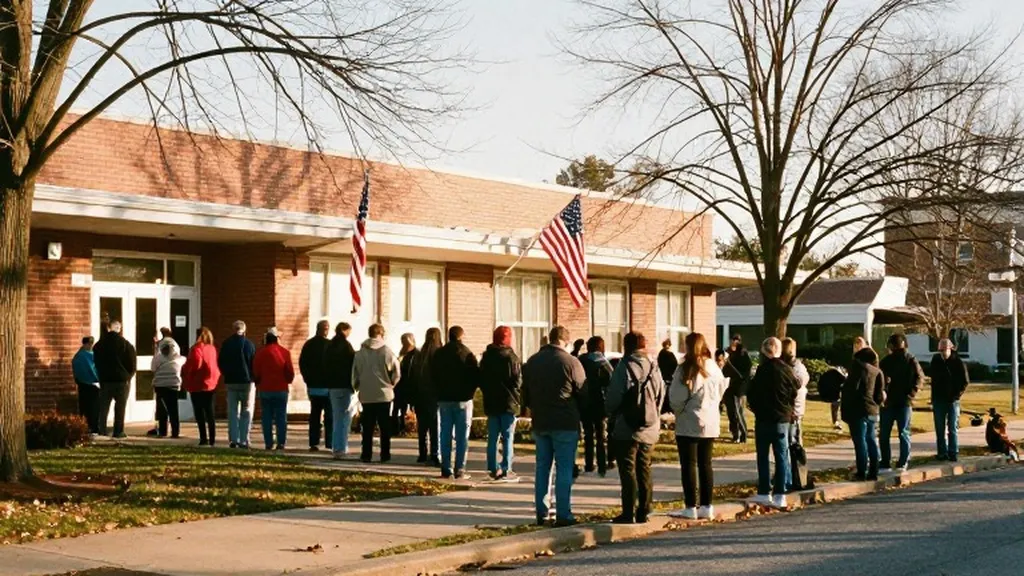
The mood on the ground reflects this tension. More than 57 million people had already voted as of Monday, surpassing early vote totals from four years ago in many closely watched states. Voter Mark Barker of Palm Beach Gardens, Florida, expressed support for the president, saying he believes Trump is doing an awesome job. In contrast, James Moore, 57, a librarian in Raleigh, North Carolina, cited higher taxes and healthcare costs as reasons for his vote. These individual stories illustrate the broader national debate over the direction of the country.
President Trump has been actively campaigning for his party, holding dozens of rallies and ending his schedule in Salina, Kansas, on Sunday. He told supporters he wanted them to pretend he was on the ballot. His administration has also been involved in election administration, filing lawsuits in Alaska and California regarding the certification of results and noncitizen voting. A federal judge temporarily barred the administration from carrying out a plan to prevent noncitizen voting, citing concerns about disenfranchising eligible voters and state authority.
Financial markets are also watching the election closely. Results could add to investor concerns about AI spending and debt ceiling negotiations. If Democrats win even one chamber, investigations and possible impeachment proceedings become likely. House Democratic Leader Hakeem Jeffries would be the first Black speaker and has outlined a 100-day agenda focused on the cost of living and oversight. A strong Democratic night would also boost potential 2028 candidates such as Gavin Newsom, JB Pritzker, and Pete Buttigieg.
Governor races in 36 states are also on the ballot. Democrats currently hold 24 governorships, while Republicans hold 26. Democrats would need a net gain of two governorships to achieve a nationwide majority, a feat they have not accomplished since 2010. Key races include Georgia, where Republican Rick Jackson faces Democratic former Atlanta Mayor Keisha Lance Bottoms, and Ohio, where Republican Vivek Ramaswamy competes against Democrat Amy Acton. The outcome of these races will shape the balance of power in state legislatures and executive branches.
As polls close across the country, the focus remains on the final counts. The U.S. Postal Service added hours and staff to ensure mail ballots are counted on time. Critics and supporters alike are watching for any signs of interference or delays. The election will ultimately determine whether the historical pattern holds or if one party successfully breaks the cycle. For now, the nation awaits the numbers that will define the next two years of legislative power.