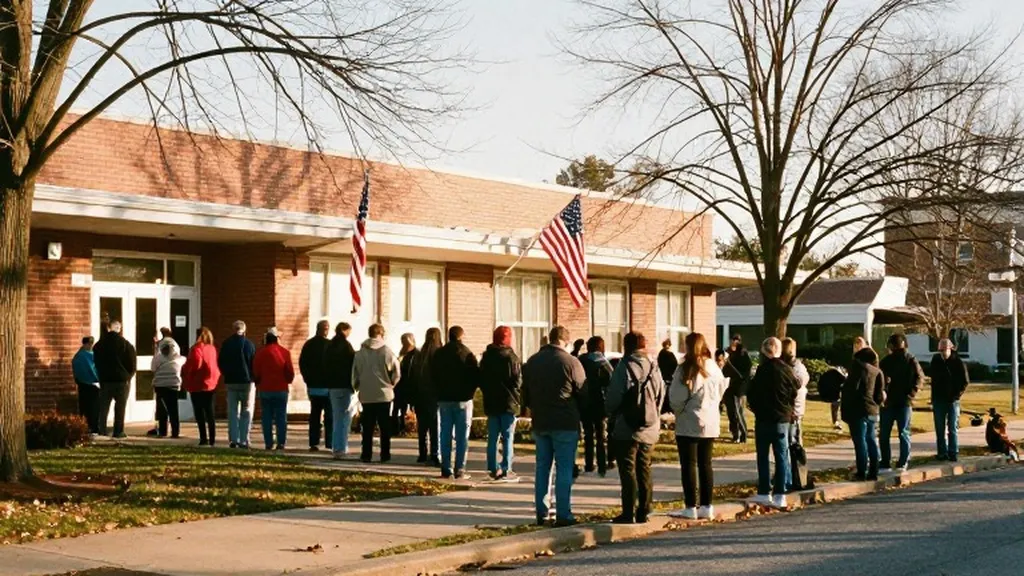
Bedouin doctor released after election-day arrest in vote-buying probe
A court ordered the unconditional release of Saef Abu Reash, who claims police linked his get-out-the-vote efforts to National Security Minister Itamar Ben Gvir.
By Kofi Costa ·
A Bedouin doctor was released unconditionally by a court on Monday, one day after judges ordered his freedom. Saef Abu Reash, who operates a small clinic in the southern town of Rahat, spoke publicly about the circumstances of his detention, which occurred at dawn on election day. He stated that during questioning, an officer told him that National Security Minister Itamar Ben Gvir had done “only good” for Arab society.
Abu Reash led a campaign to encourage residents of Rahat to vote. He told Haaretz that investigators did not present physical evidence of a vote-buying scheme. Instead, they asked him who he encouraged people to support and whether he realized his actions could “determine who will lead the country.” During a transfer between stations, an officer asked him what he wanted from Ben Gvir, noting that the minister helps and creates law and order for Arab citizens.
The arrest took place while Abu Reash’s pregnant wife and young daughters were sleeping. He described being taken to a police station in handcuffs, calling it one of the most humiliating moments of his life. He said he was unable to cast his ballot on election day. Although officers initially told him they would take him to vote, an officer in Dimona questioned why he was requesting the trip only then. Abu Reash said he ultimately did not vote, though he observed that many others did.
His legal team has challenged the initial detention. Ali Abu Laban, Abu Reash’s attorney, told Army Radio that his client was not a Ra’am party activist but a local advocate. The lawyer noted that police found no money or envelopes in Abu Reash’s home, yet the court initially extended his remand until Sunday. Abu Laban argued that the court must prevent police from acting on political grounds.
Abu Reash was one of three suspects arrested on election day in connection with alleged vote-buying for the Ra’am party. One other suspect is on house arrest, while the third remains in custody. Four additional individuals were arrested later. Three of those four have since been freed to house arrest, and the fourth was released from restrictive conditions after an appeal. The total number of people detained in this probe is seven.
The timing of the arrests has fueled debate over the validity of the recent election results. Prime Minister Benjamin Netanyahu described the allegations against three senior Ra’am figures as an attempt to steal the election from his coalition. His party issued a statement calling it “highly perplexing” that officials deemed foreign interference “very serious” yet claimed it had no impact on the outcome before investigations were complete.
Government officials have moved to reassure the public that the vote stands. Justice Noam Sohlberg, chair of the Central Elections Committee, appeared in a video message on Sunday alongside Shin Bet chief David Zini, acting CEC director-general Dean Livne, and Attorney General Gali Baharav-Miara. They stated that the election was “conducted properly.” This unified front aims to counter claims of widespread fraud and a separate probe into reported interference by Qatar.
Abu Reash said he understands he did nothing wrong and that he was raised on specific values. He believes the arrest was an attempt to suppress young Bedouins from participating in the political process. He added that the Arab public realized the need to go to the polls to change the current reality.
The probe remains limited in scope according to officials. The central question for the courts and the election committee is whether the actions of the detained individuals altered the final tally. The release of Abu Reash removes one key figure from the immediate custody list, but the legal review of the evidence continues.